No, using an independent shop does not void your new car warranty
The Magnuson-Moss Warranty Act says a manufacturer can't require dealer service to keep your warranty. What you do need to keep, and the one real exception.
This comes up at the counter constantly, usually phrased with real anxiety: “I’d rather bring it here but I think I have to take it to the dealer while it’s under warranty.”
You don’t. And it isn’t a grey area.
The law
The Magnuson-Moss Warranty Act, a federal law from 1975, prohibits a manufacturer from conditioning your warranty coverage on the use of a particular brand of part or a particular service provider — unless they provide that part or service free of charge, or they’ve obtained a specific waiver from the Federal Trade Commission.
Put plainly: a carmaker cannot tell you “get your oil changed at our dealership or the powertrain warranty is void.” That’s a tie-in sales provision, and it’s exactly what the law was written to stop.
The FTC has been publishing consumer guidance to this effect for decades, in more or less these words: it is illegal for a dealer to deny your warranty simply because someone else did the work.
What that does not mean
It does not mean the warranty covers everything forever regardless of what anyone does to the car. Two honest caveats:
A specific failure caused by a specific bad repair can be denied. If a shop — us, a dealer, anyone — installs the wrong part or does the job wrong, and that causes a component to fail, the manufacturer can decline to cover that failure. The burden is on them to show the connection. What they cannot do is void the whole warranty because your oil change happened somewhere with a different sign on the building.
Some things genuinely do have to go to the dealer. Recalls and manufacturer service campaigns are performed by dealers. Warranty repairs themselves — the actual covered failure — are done under the manufacturer’s authorisation. Nobody else can bill them for it. That is unrelated to who does your maintenance.
What you actually need to do
Three things, and they’re all easy:
Follow the manufacturer’s schedule. Not a generic one, not a shop’s own package — the intervals in the maintenance section of your owner’s manual, for your engine and your driving conditions. We look it up by year, make, model and mileage rather than guessing.
Use correct-specification parts and fluids. If the manual calls for 0W-20 full synthetic meeting a particular standard, that’s what goes in. If it calls for a specific coolant type, that’s what goes in. This is not a suggestion — mixing coolant types in particular causes real, expensive problems that have nothing to do with warranty law.
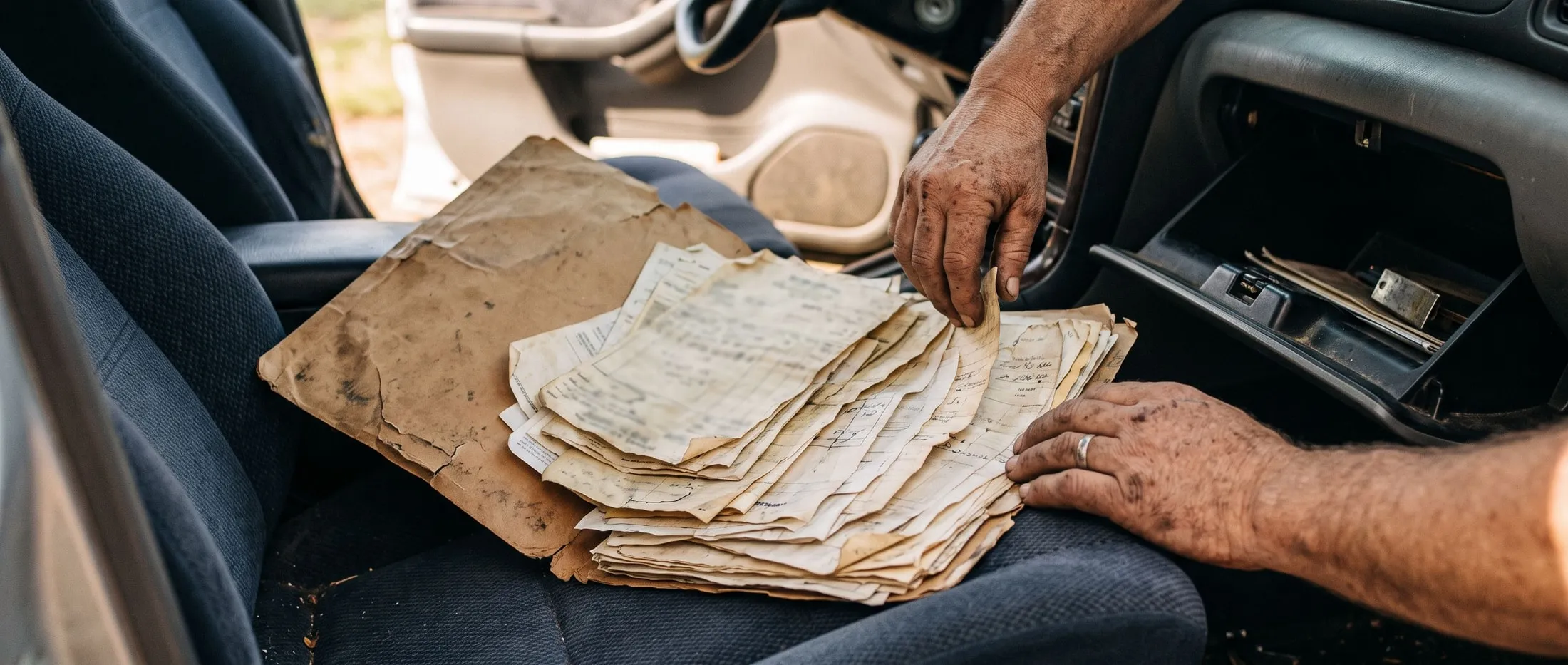
Keep the records. This is the one people skip. An itemised invoice showing the date, the mileage, what was done, and what part or fluid was used. Every time.
Why the records matter twice
Once while you own the car, because a folder of dated invoices ends any conversation about whether maintenance was performed.
And again when you sell it, because “runs great, well maintained” and a documented service history are two different things to a buyer, and only one of them is worth money. Private buyers pay more for a car with a stack of receipts. So do dealers taking a trade.
What you get here
An itemised invoice, every time, with the mileage and the specification of what went in. Ours are written so a dealer service manager or a future buyer can read them and know exactly what was done.
We also keep a copy. If you lose yours, call and we’ll pull it.
The honest version
Dealers do some things well. They have factory tooling, they see the same model all day, and for a genuinely obscure fault on a two-year-old car with a proprietary system, that can be worth the drive.
For scheduled maintenance, oil and fluid services, brakes, tires and the ordinary business of keeping a car running — an independent shop that follows the book does the same work for less, and you keep every bit of your warranty.
Bring us the manual, or just the year, make, model and mileage. Call (804) 737-2828.